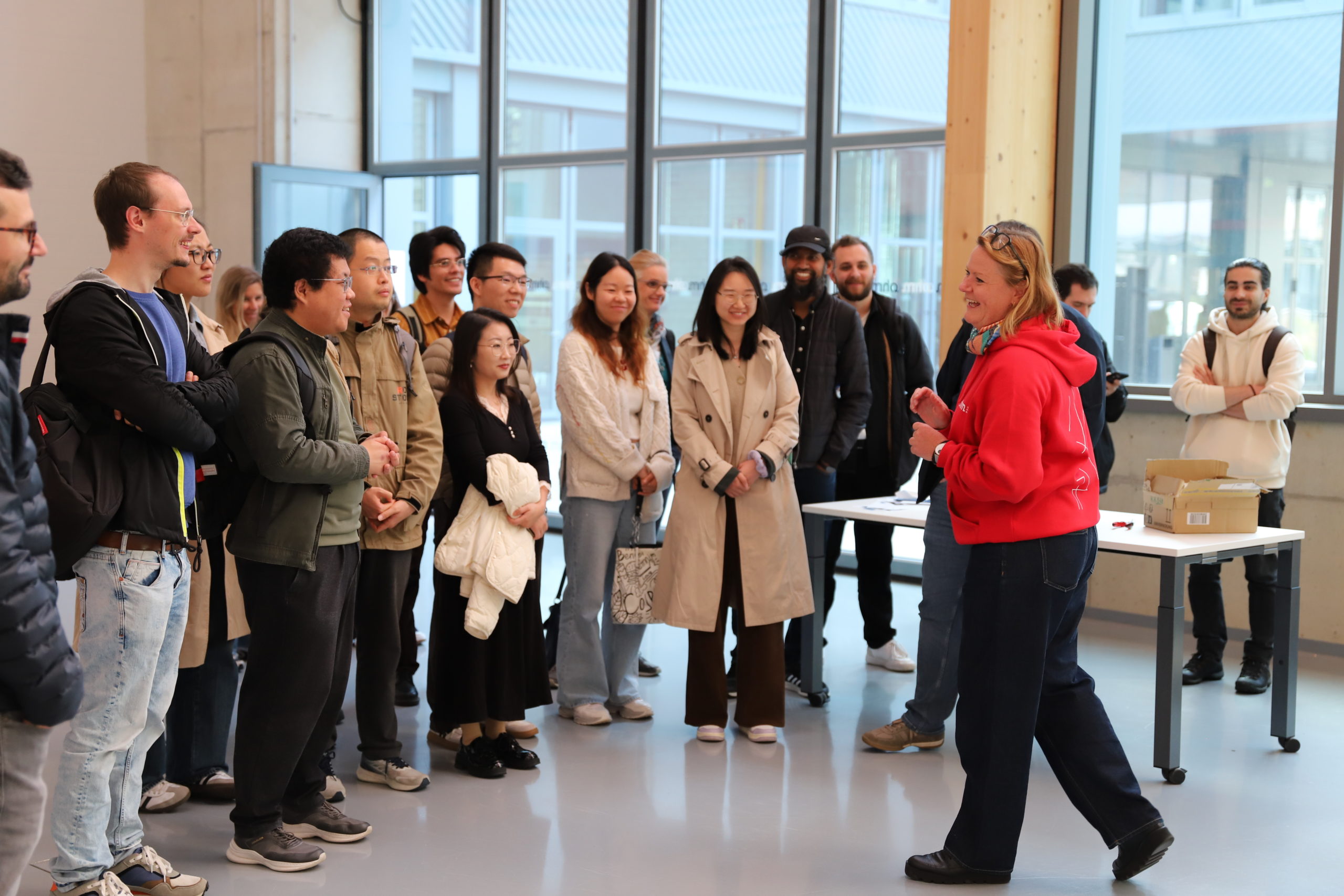
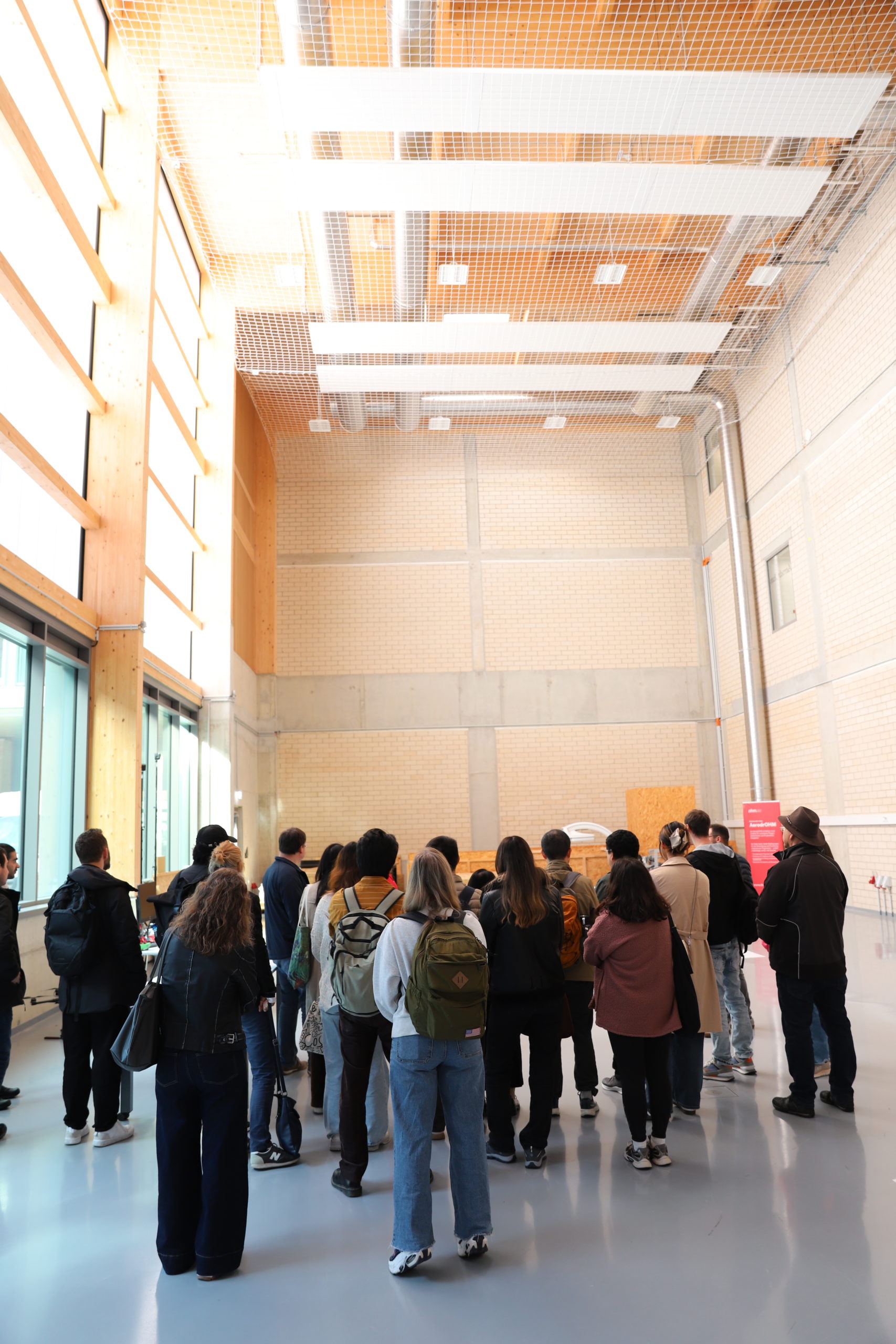
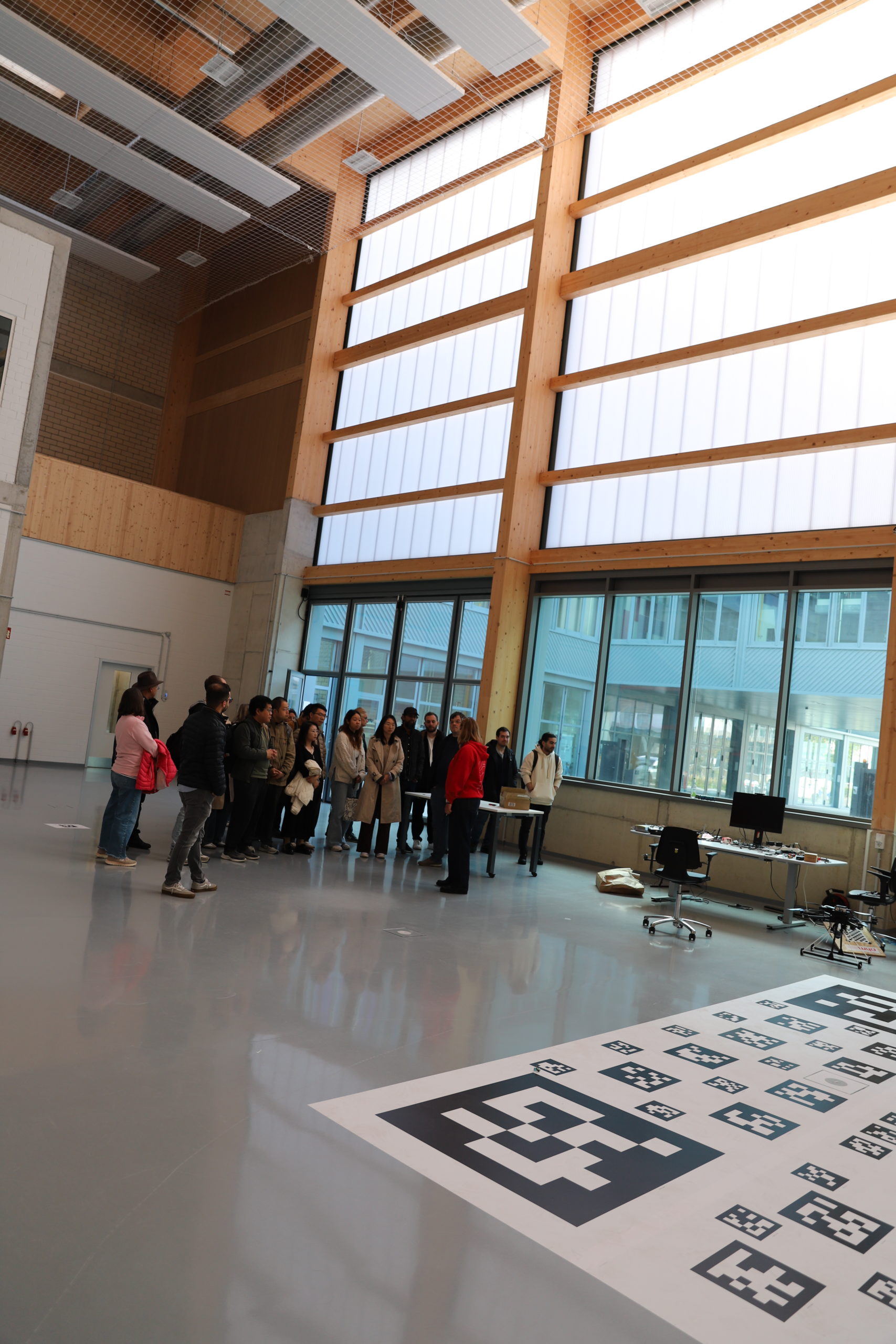
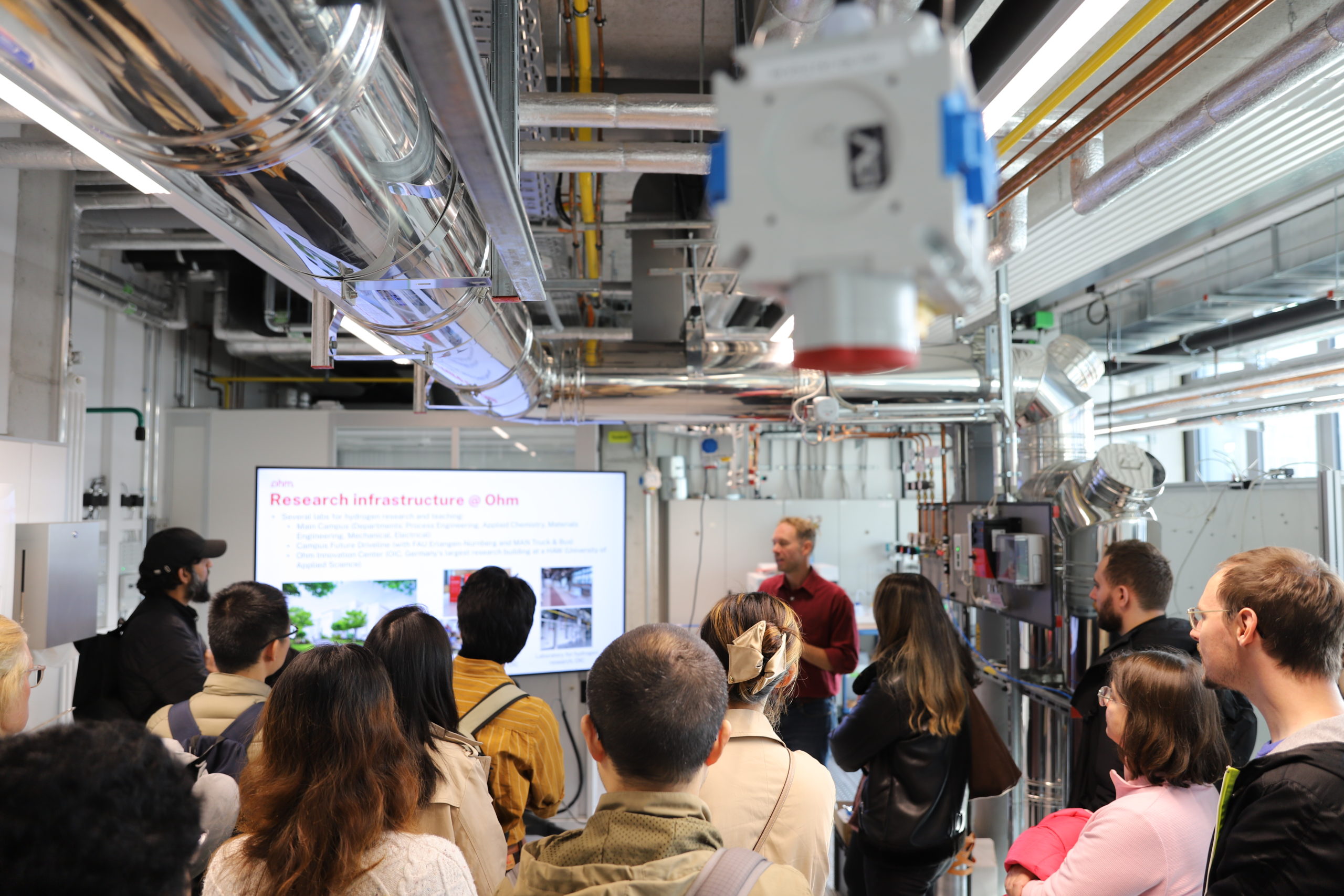
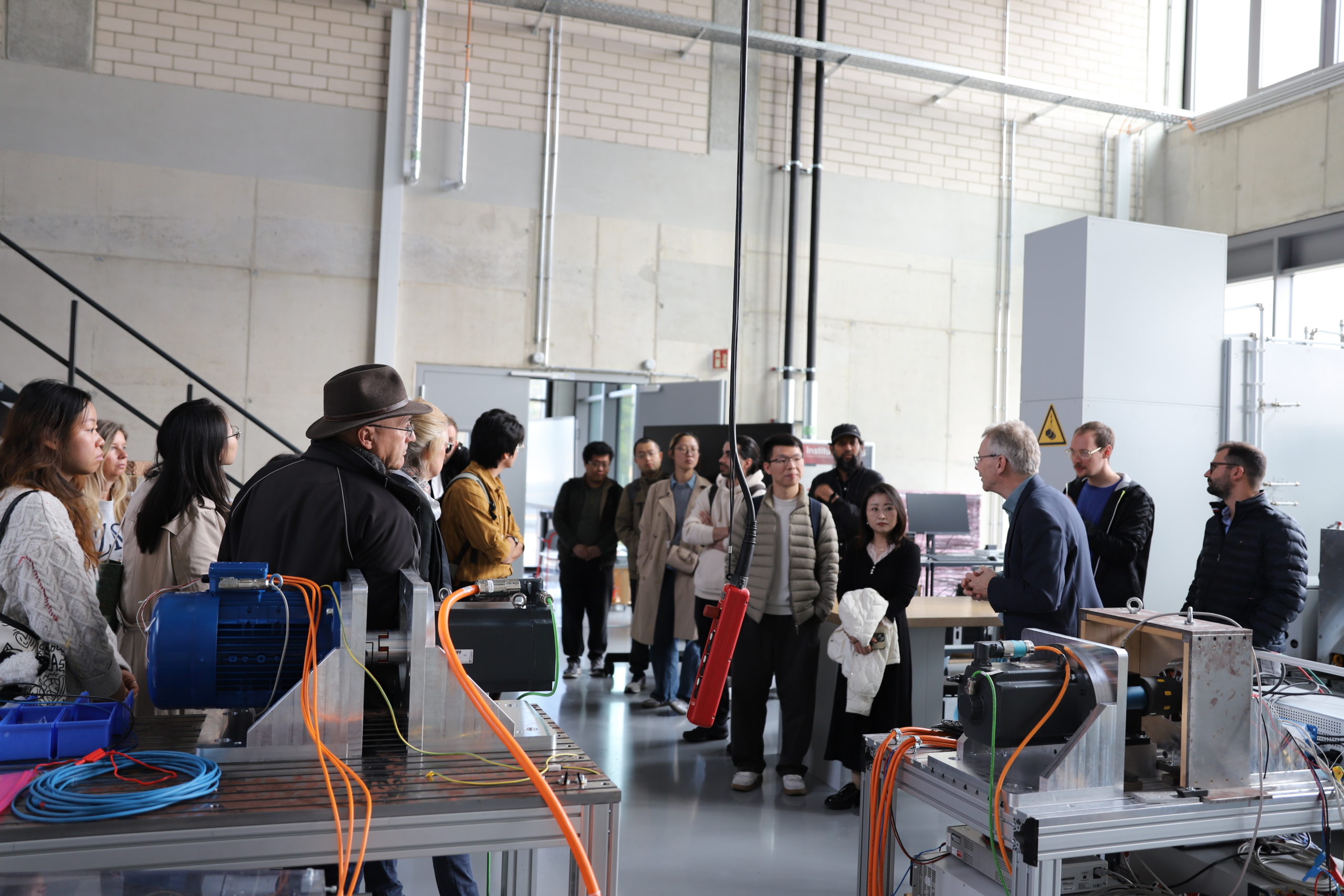
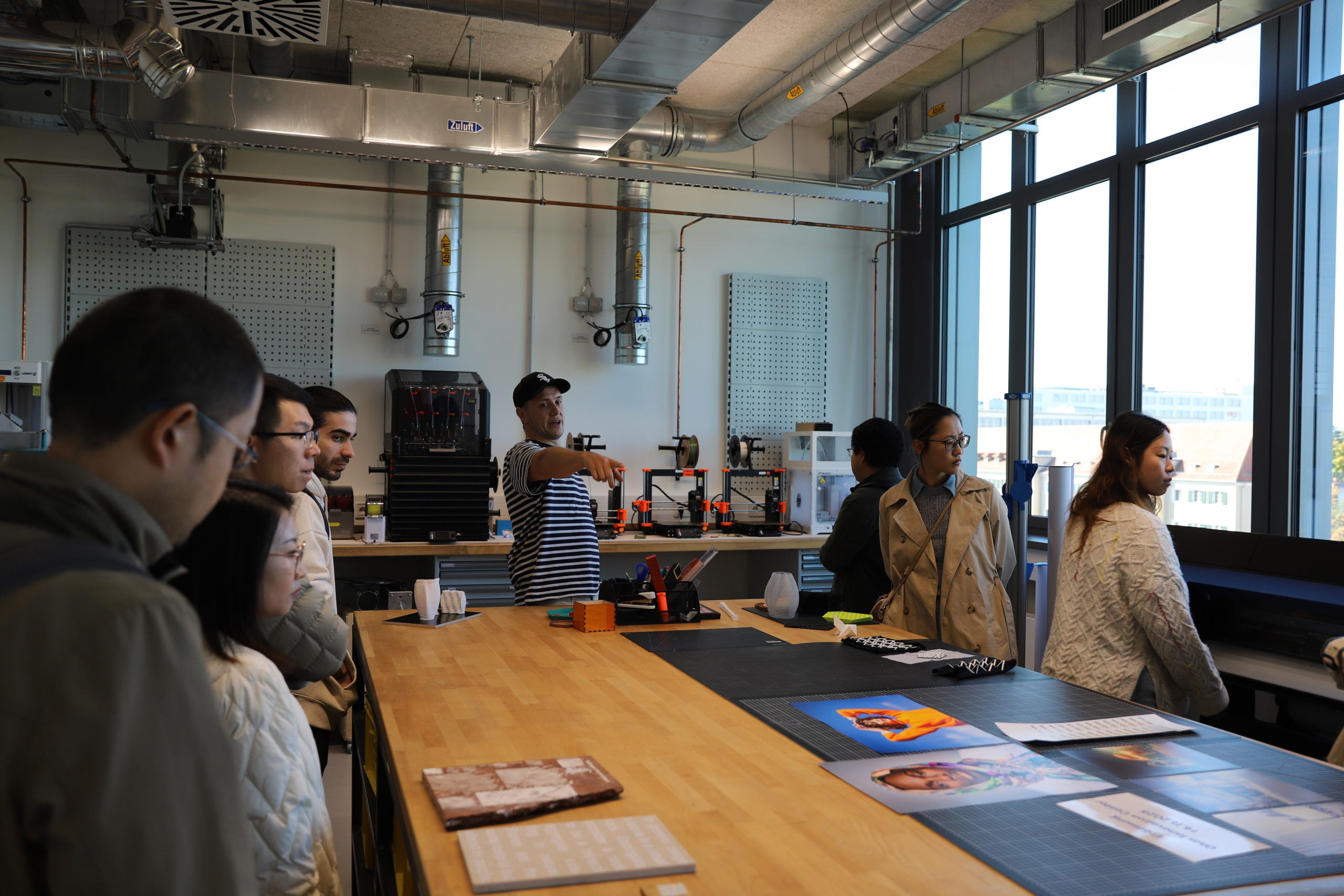
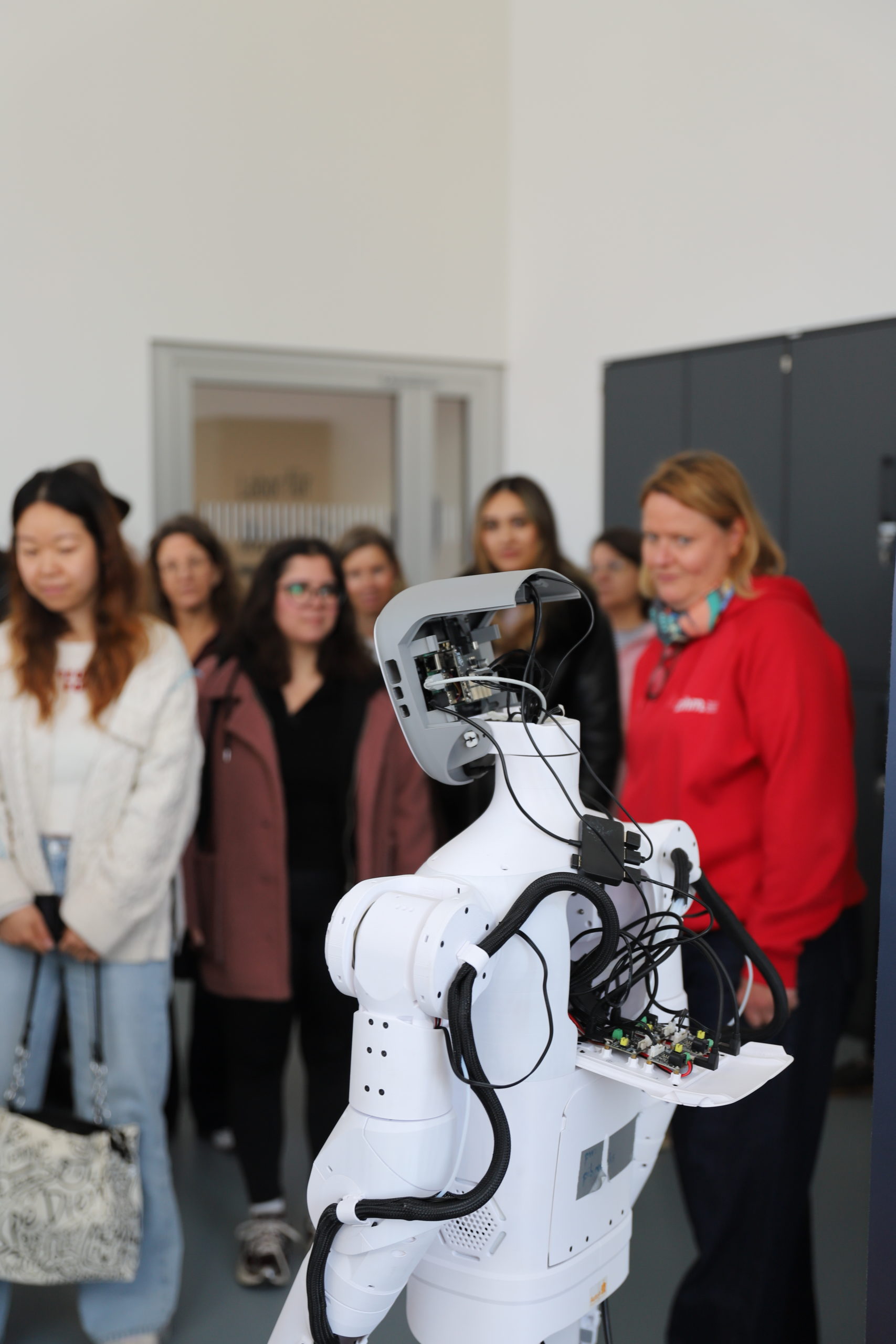
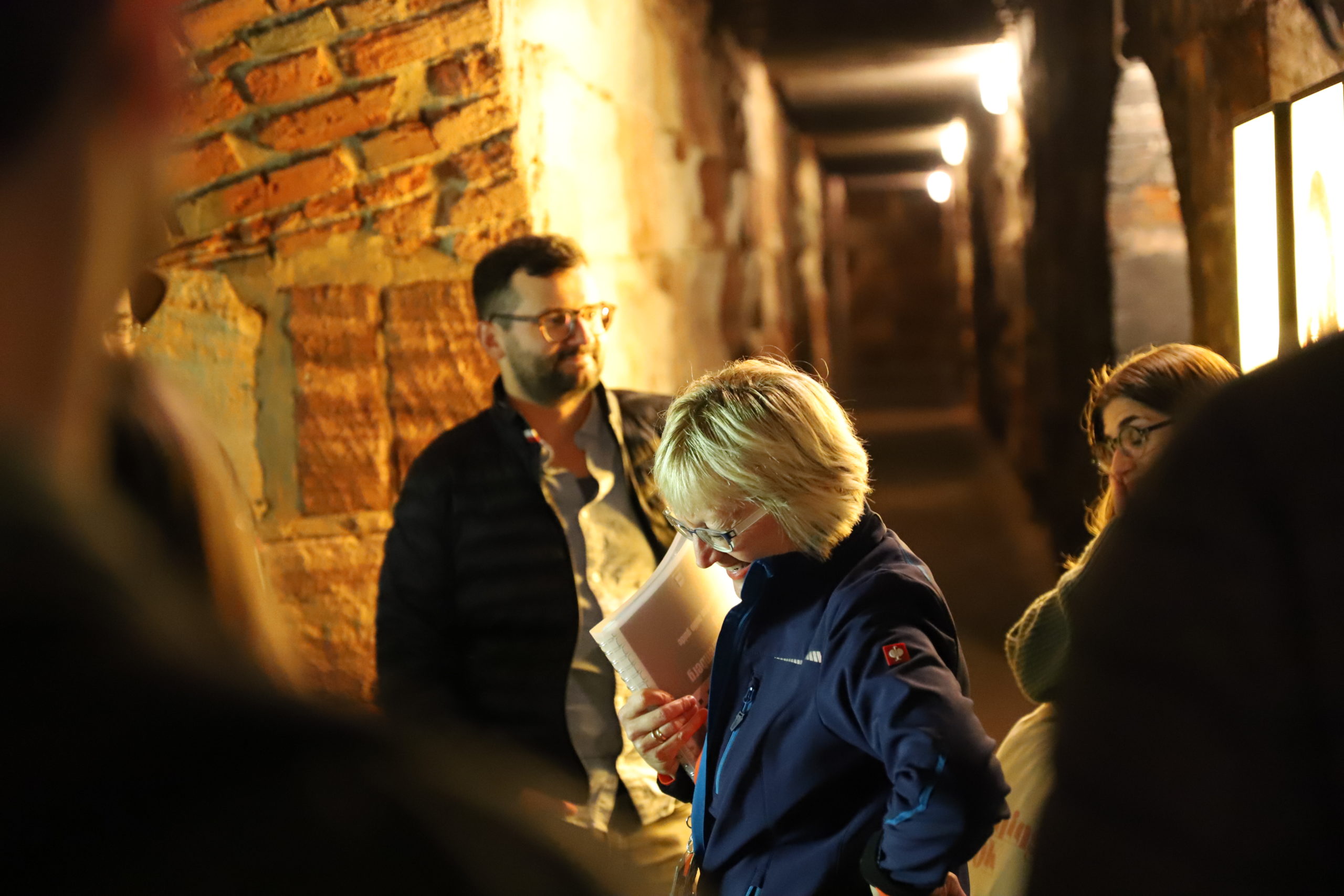
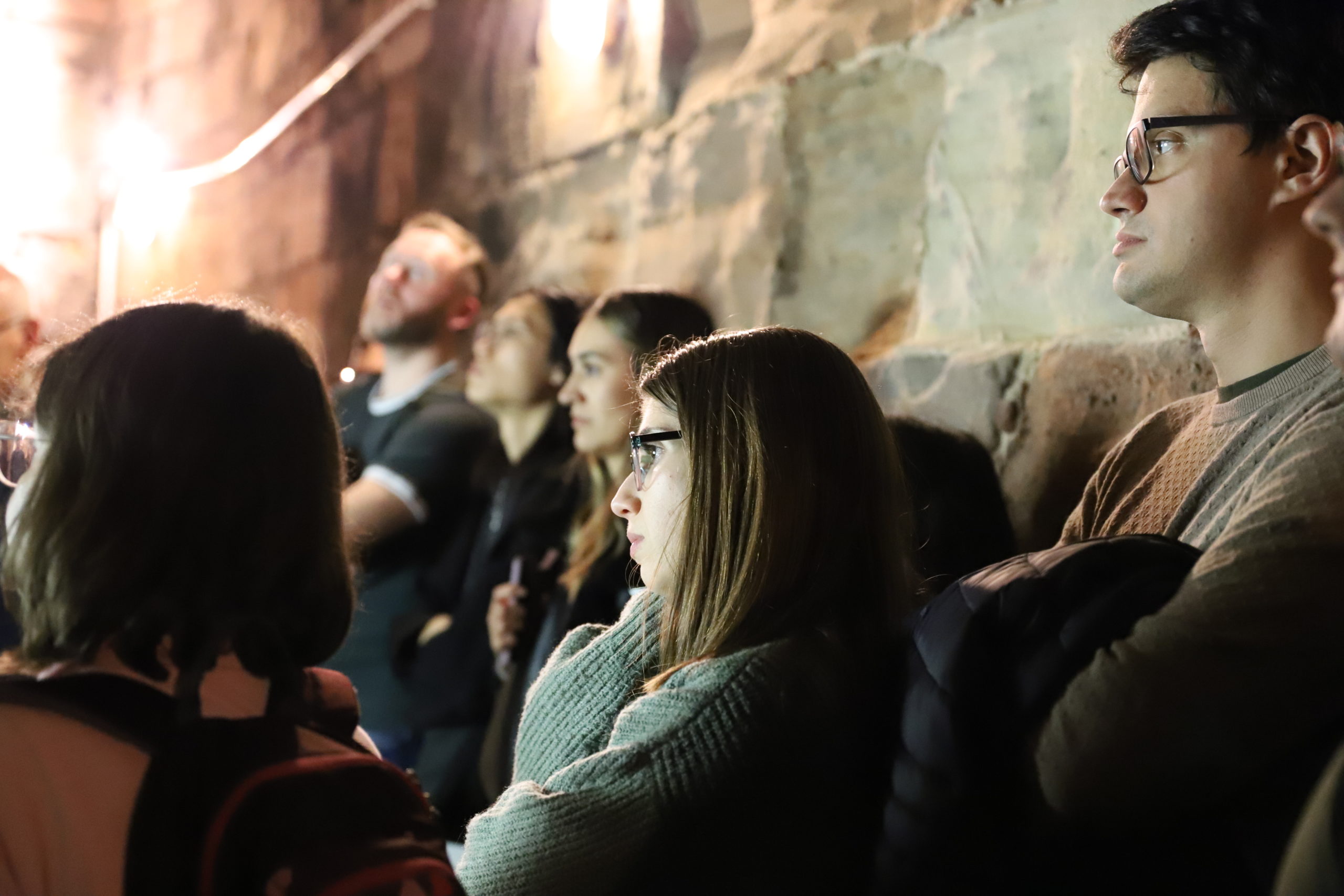
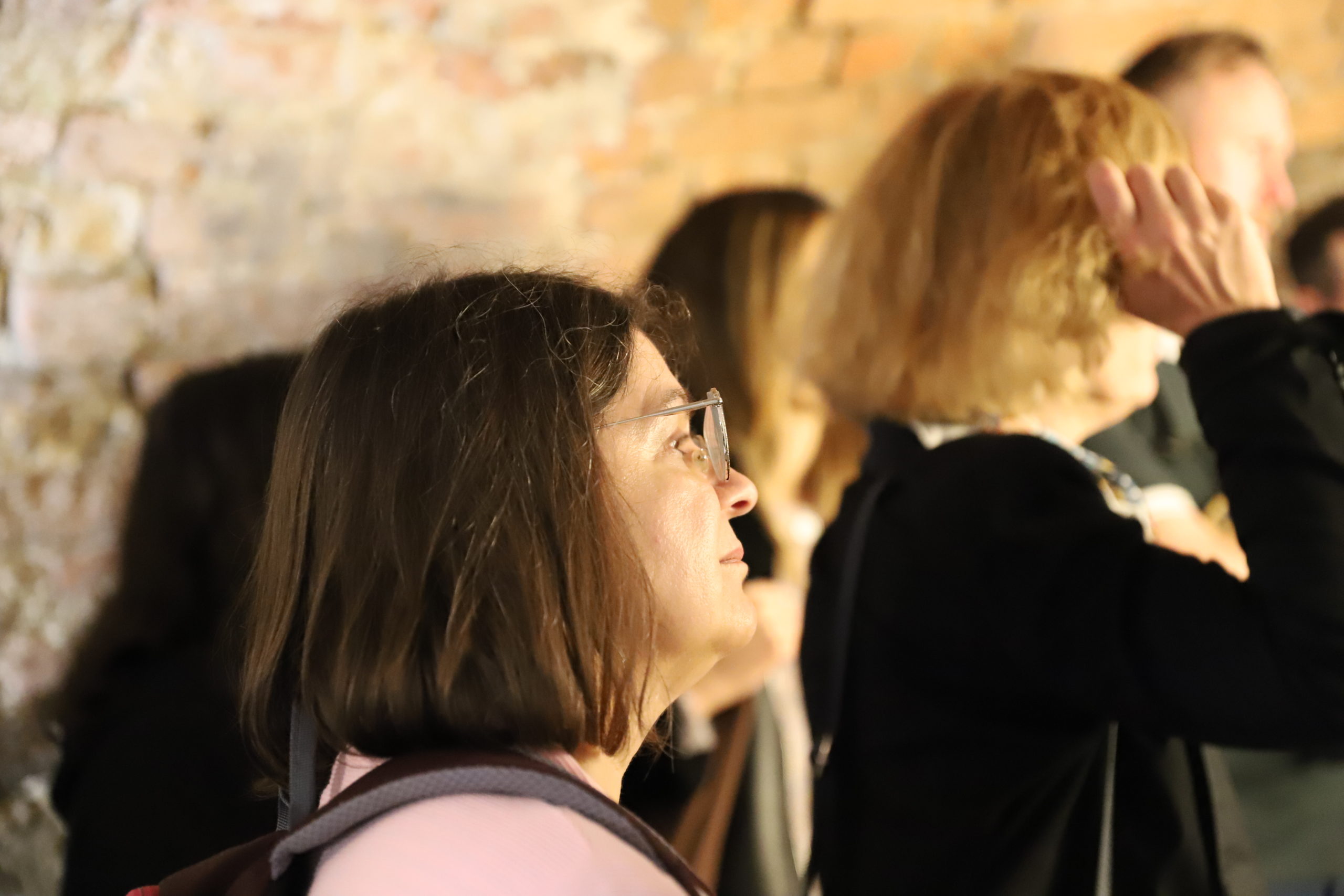
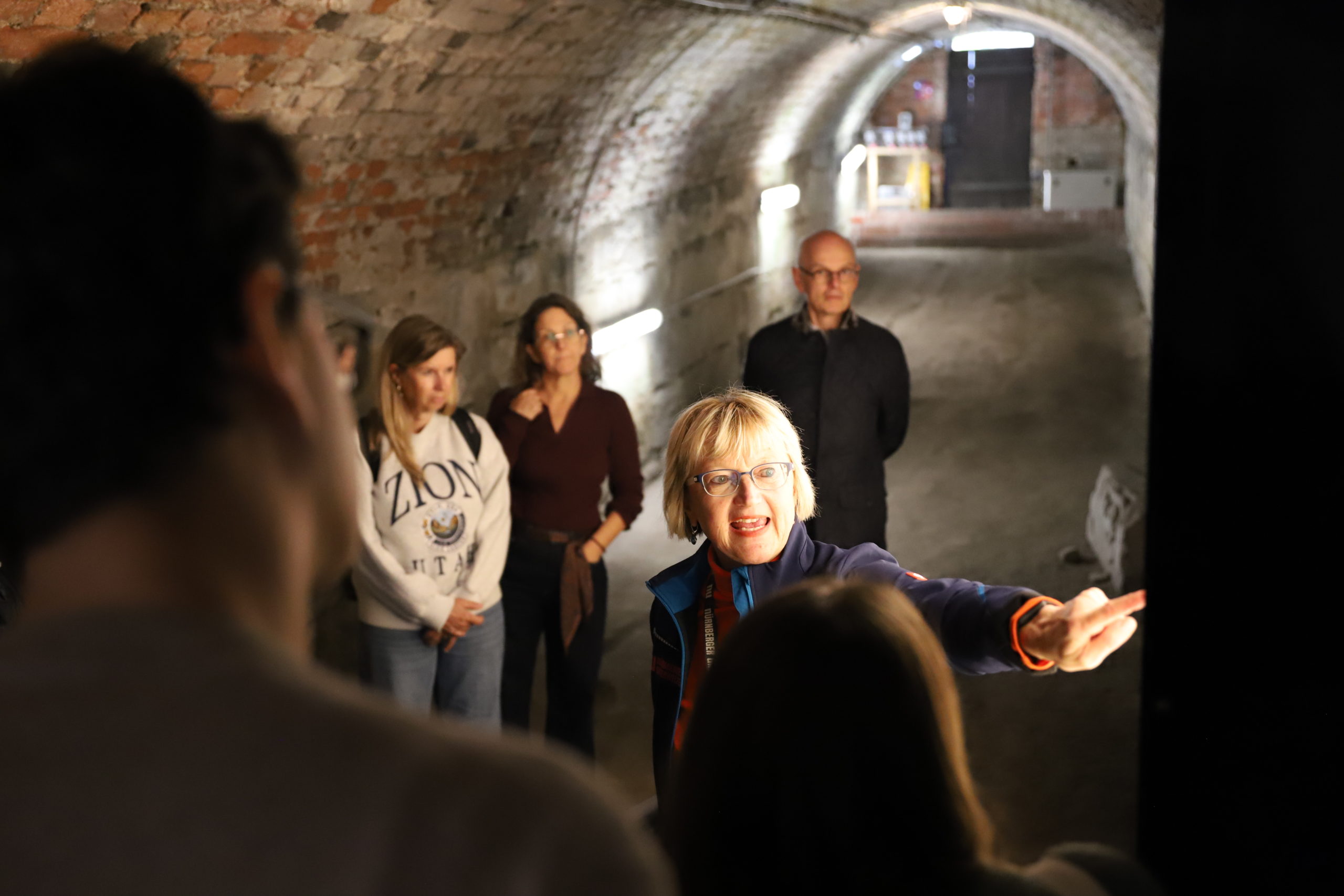
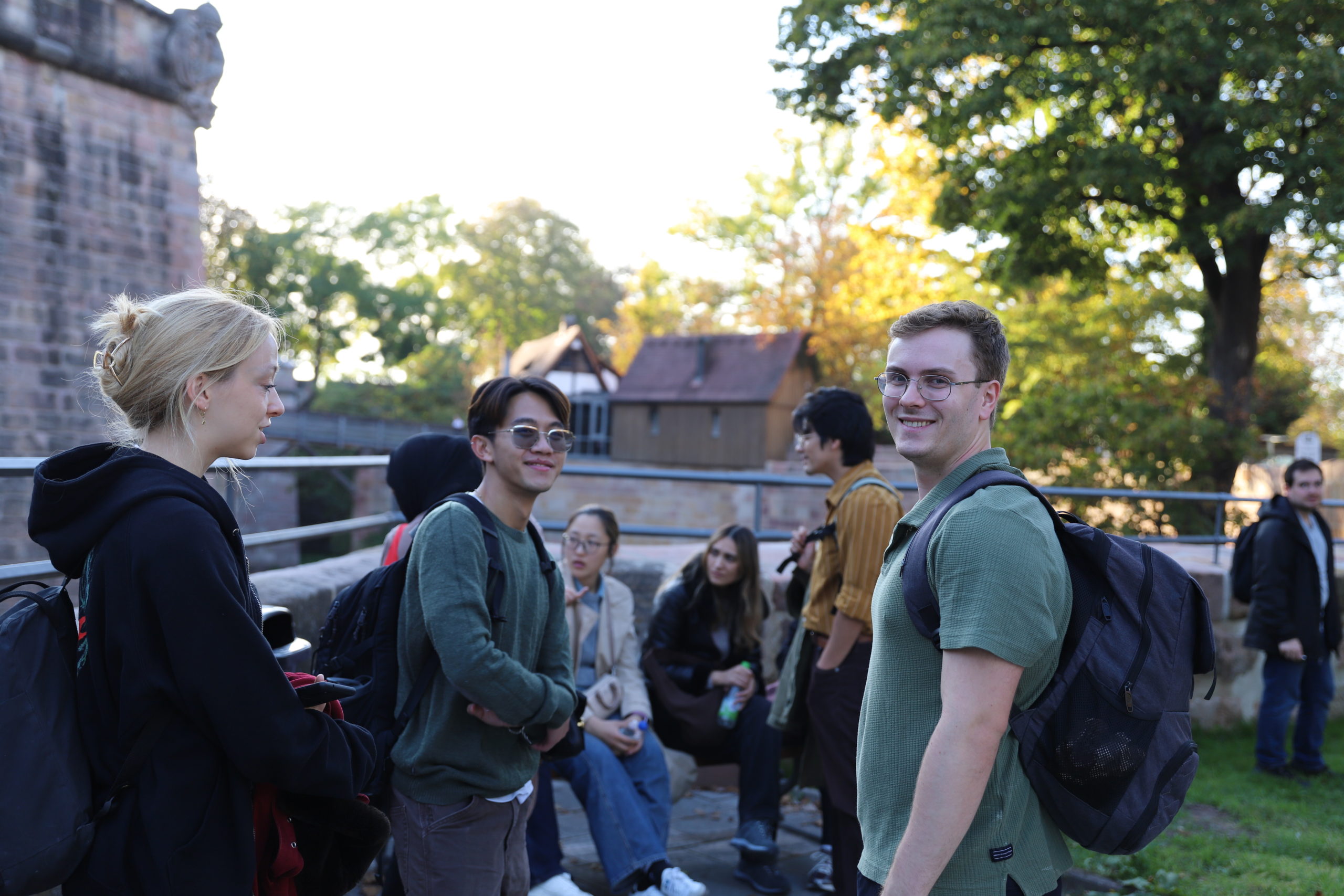
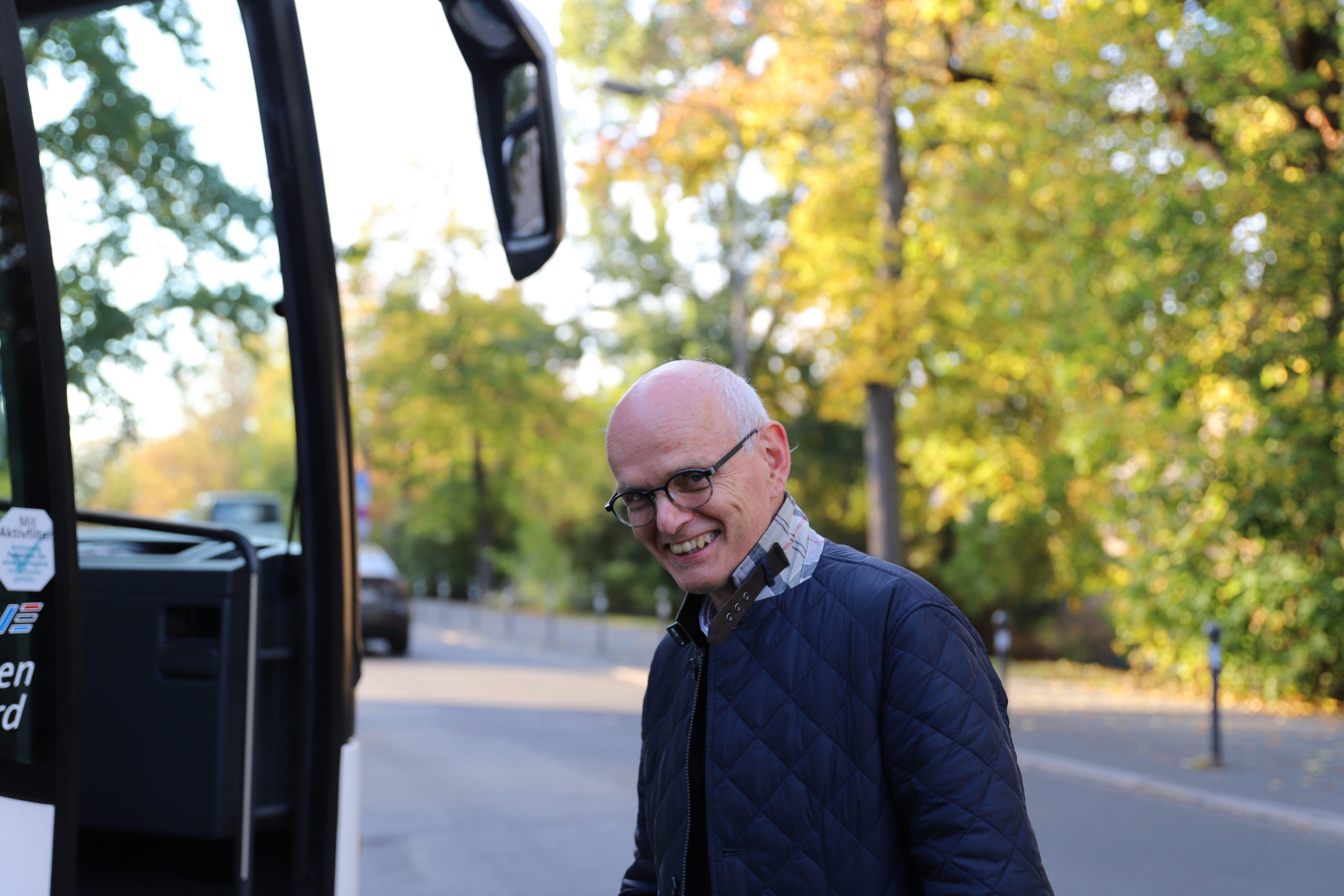
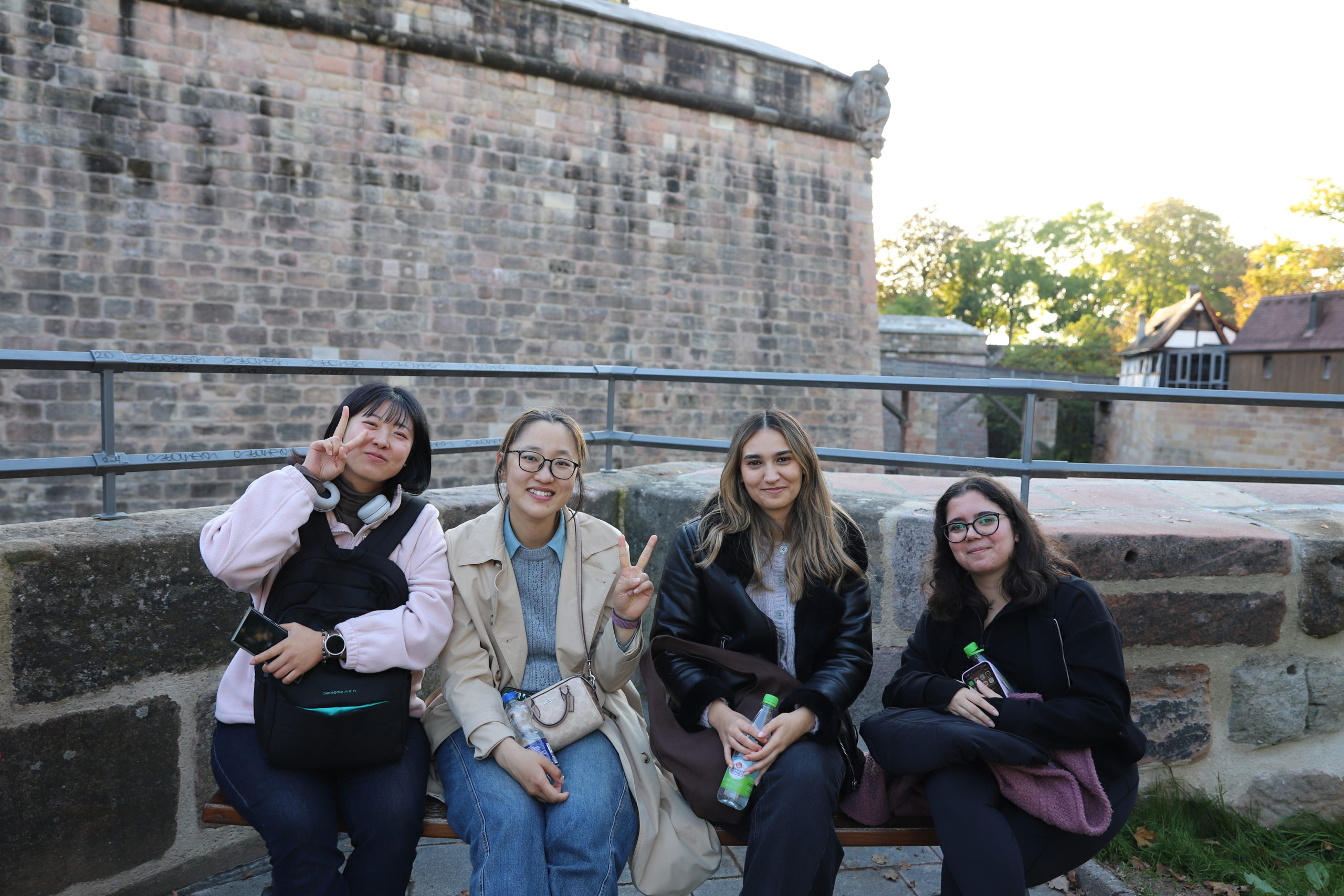
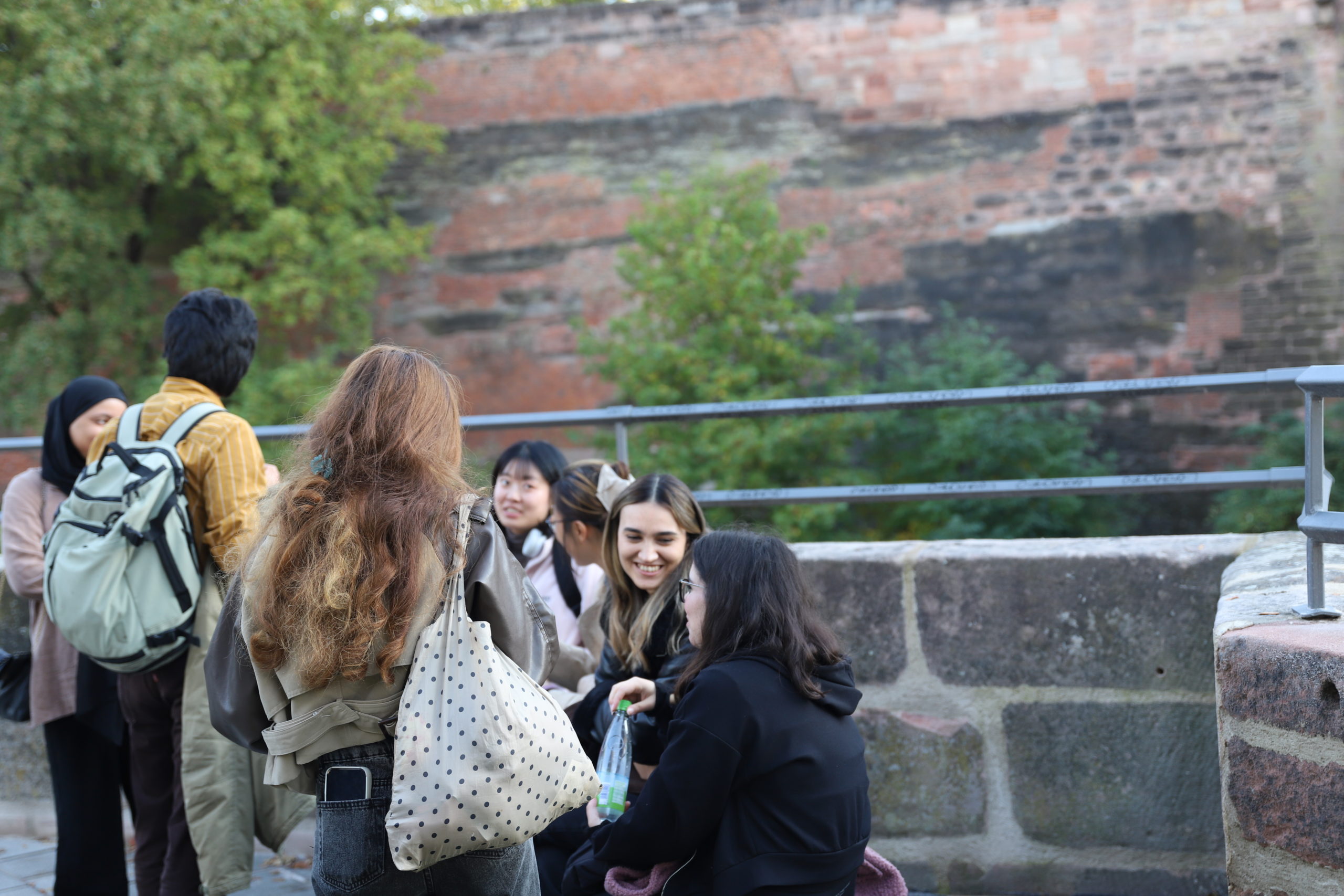
Anyone entering the Helmholtz Institute Ulm (HIU) on October 15, 2026 is searching the empty labs in vain for scientists. More than half of the HIU staff are already sitting on a bus to Nuremberg at 7:00 a.m. We heard, that few months ago, the largest research building of a university of applied sciences in Germany was opened there. In addition it is said that Nuremberg has been home to a branch of the Deutsches Museum since 2021, one that deals consistently not with the past but with the future of technology: the Deutsches Zukunftsmuseum (Museum of the Future). So much innovation and technological ambition? Enough reason to go there and see it for ourselves.
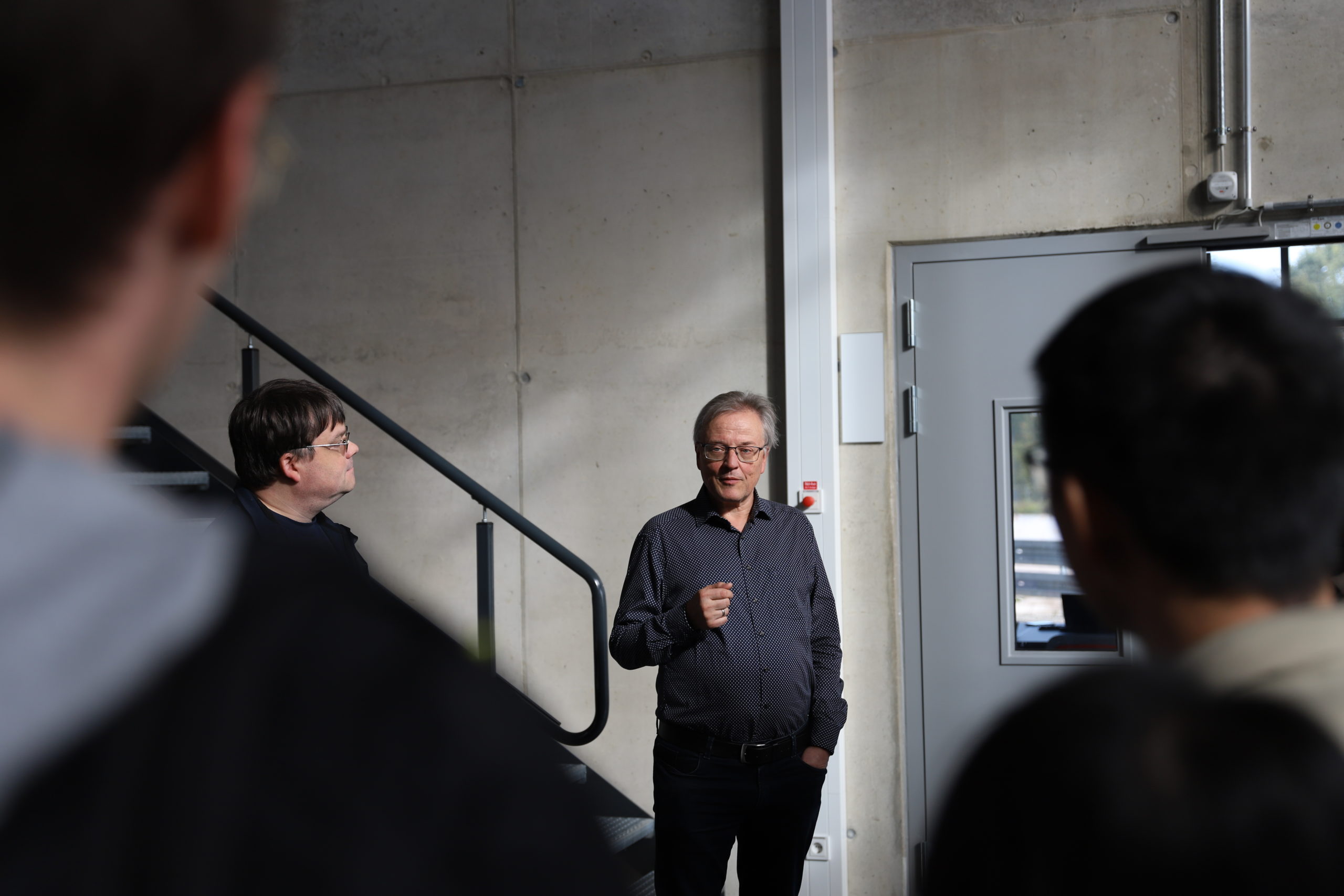
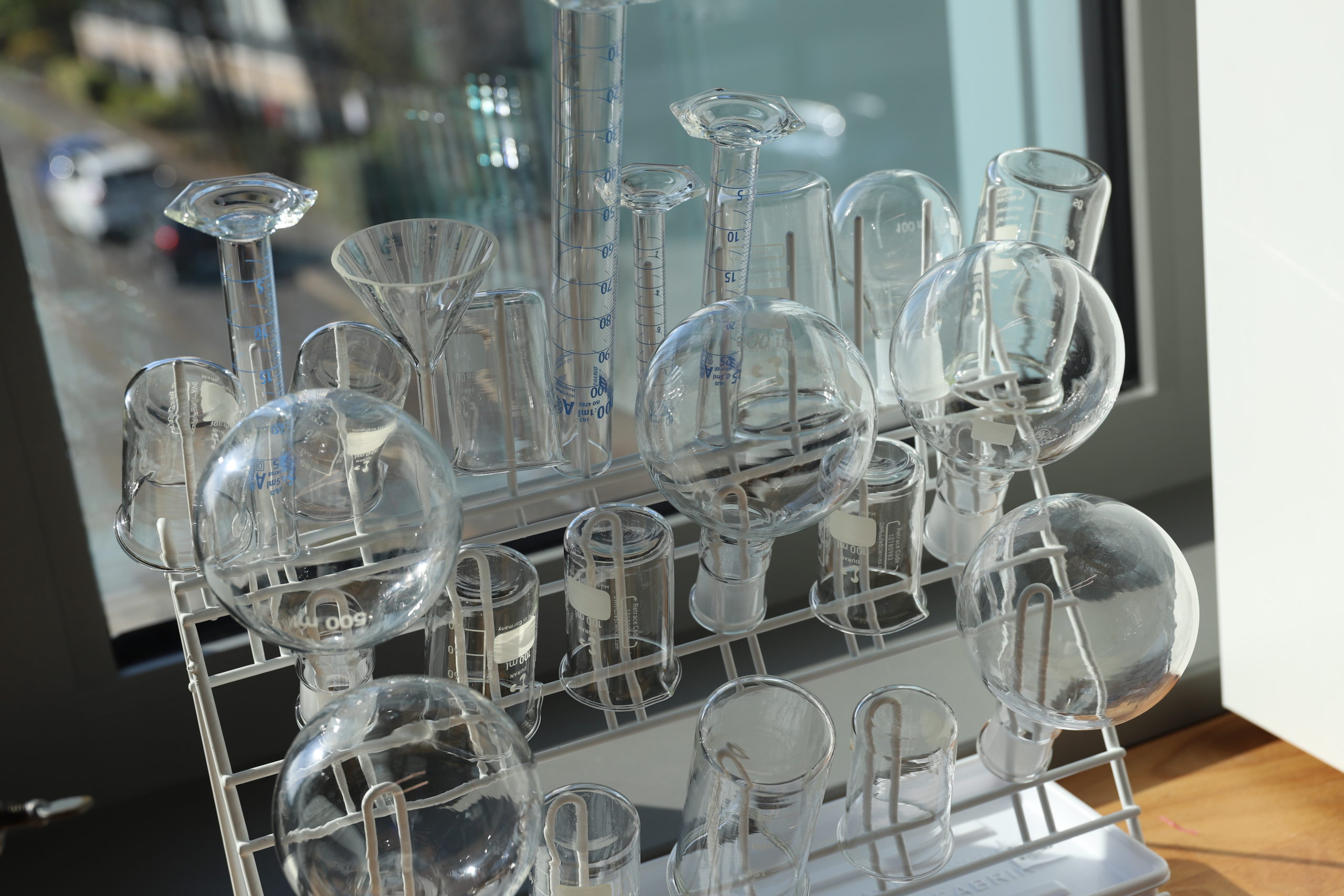
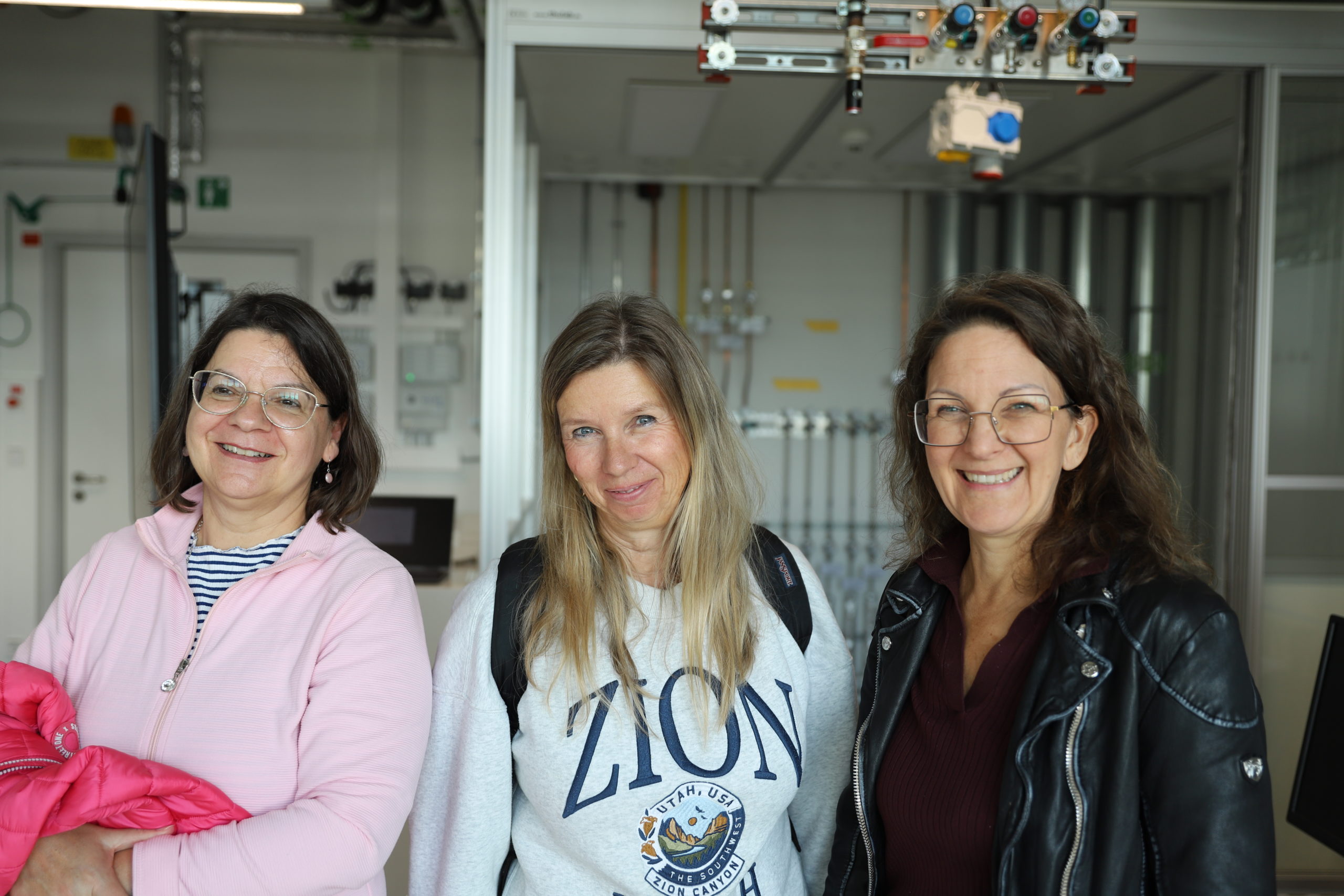
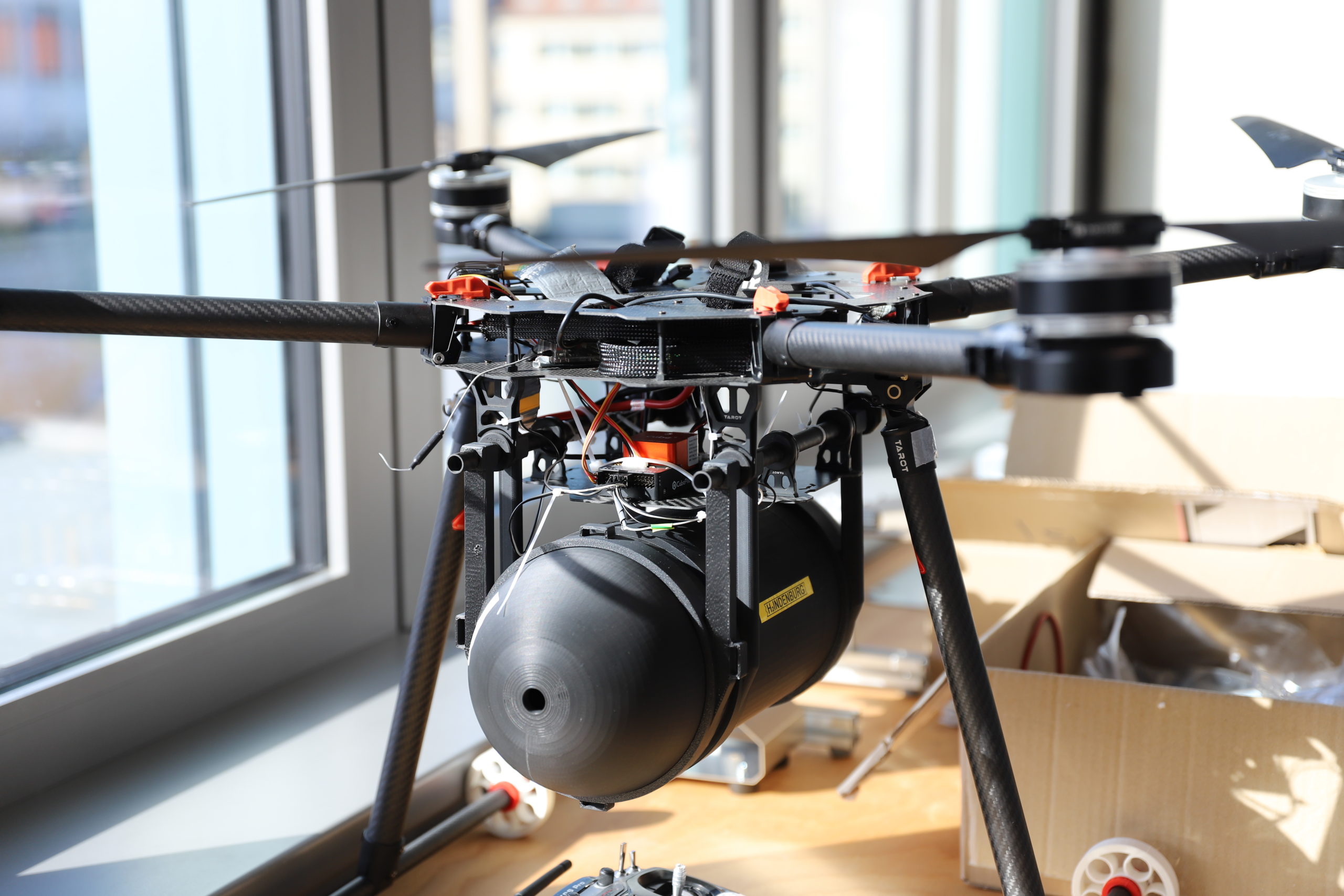
As the sun rises, our large, still somewhat sleepy group is warmly welcomed with coffee and tea at the OHM Innovation Center of the Technische Hochschule Nürnberg. Across roughly 8,000 square meters, we experience a modern demonstration environment for storage and energy management. With the aim of enabling close collaboration between science, industry and society, laboratories, flexible offices, co-working spaces, open workshops and event rooms come together on the former AEG site in western Nuremberg. We gain insights into a wide range of labs: Hydrogen Research, Power Electronics, Hydraulic Engineering, Aerial Robotics, Mobile Robotics and the MakerSpace LEO Labs. Prof. Armin Diez, Prof. Norbert Graß, Prof. Ulrich Ulmer and Felix Zeiss guide us through their different areas of focus. From three-phase motors for large machinery and pumps to rescue robots and hydrogen-powered drones, our technological horizons are broadened. Naturally, the research and innovation building of TH Nürnberg also deals with batteries, which are indispensable for the success of the energy transition. At the Institute for Power Electronic Systems (ELSYS), we reflect on the fascinating link between cell chemistry and electronics.
Time flies. Hunger grows. Inspired, we leave the OHM Innovation Center and hope to see it again soon. Many thanks to Monika Hegner and Julia Hackl for the wonderful support and organization.
Now our group splits up. Half of the HIU staff hasn’t had enough yet and continues to dive into the future of technology. Off we go to Josephs, Nuremberg’s innovation world. Josephs is an exhibition and test space with changing thematic focuses, currently concentrating on artificial intelligence. Visitors are actively involved in the innovation processes of the projects. Among other things, there is also a themed area of the Fraunhofer Institute for Integrated Circuits (Fraunhofer IIS).
The Nuremberg Museum of the Future is also on the agenda. The new branch of the Deutsches Museum in Munich explores the question of how we will live in 10, 20 or 50 years. Exhibited prototypes such as the PopUp Next or a planned air taxi also engage with science fiction. We ask ourselves scientific, but also ethical questions about shaping our future.
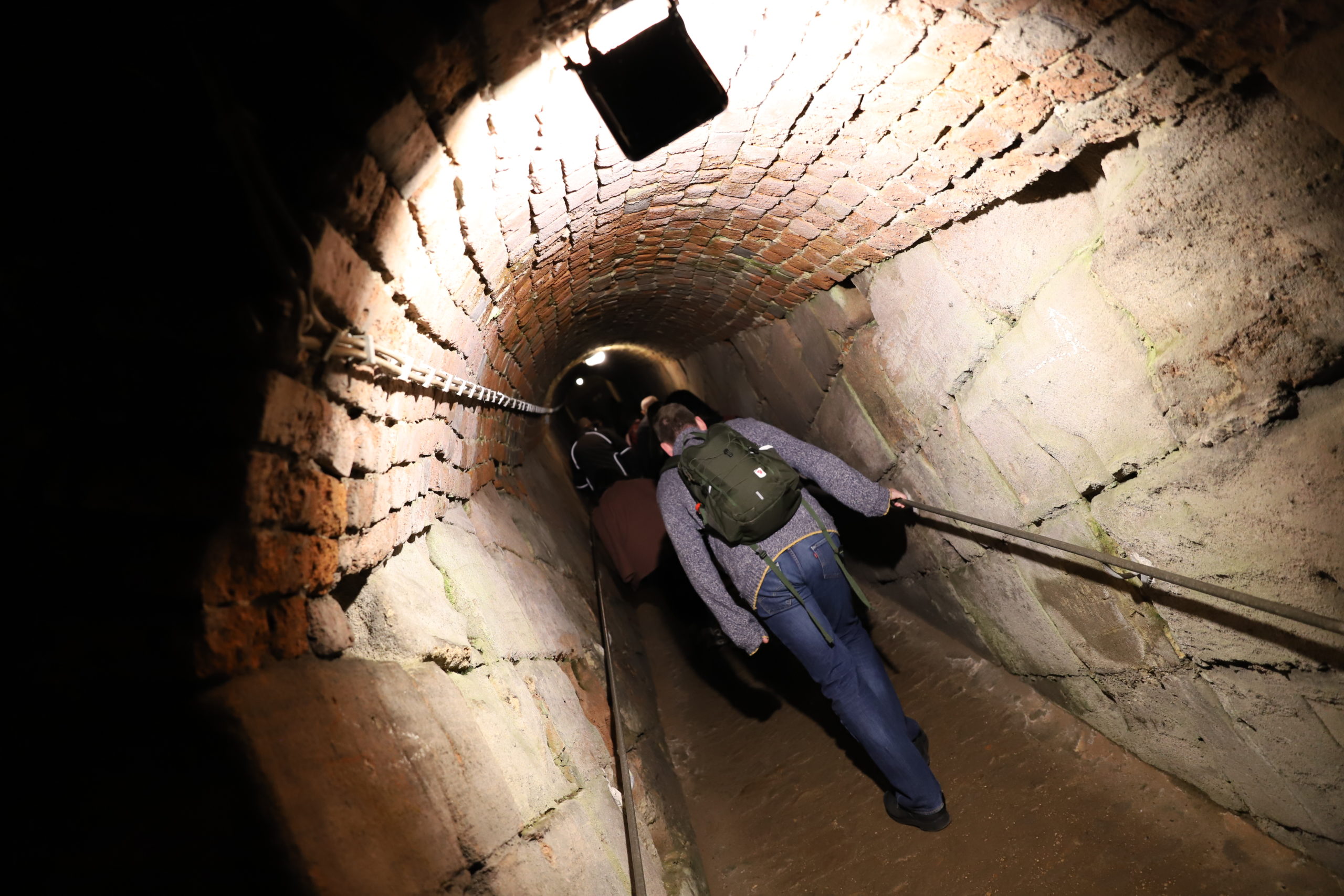
Part of our group has had enough visions for the future today and, after the exciting impulses from TH Nürnberg, rather ventures a look at the city’s past. We descend underground into historic rock-cut cellars, tunnels and secret passages.
It is also dark when we arrive back in Ulm in the evening. Nuremberg isn’t exactly “just around the corner.” But since we work on technological progress every day and ask ourselves ethical questions for a successful future, Nuremberg was exactly the right place for our team outing in 2026. We are already looking forward to next year’s trip.
October 14th 2026
If we want to use hydrogen as a climate-neutral energy carrier, we need plants that use electricity to split water into hydrogen and oxygen. This electrolysis is a key technology of the energy transition. The catch: it consumes a lot of energy. The more efficient it becomes, the cheaper and more climate-friendly the hydrogen will be.
A research team led by Timo Jacob, HIU research group leader and head of the Institute of Electrochemistry at Ulm University, has now found that the active surface of nickel electrodes in water electrolysis does not consist of nickel oxyhydroxide, as had been assumed for decades, but of hydrogen-free nickel dioxide. With this finding, the study provides a new foundation for cheaper and more efficient electrolyzers. In addition, the researchers at the Helmholtz Institute Ulm discovered that certain measurement signals, which were previously regarded as reaction intermediates, are in fact overtones, which means that earlier data must also be reinterpreted.
Original Publication: https://www.nature.com/articles/s41929-026-01613-9
Photo: (from left to right) Justus Leist, PD Dr. Albert Engstfeld, Prof. Timo Jacob (photography: Julia Bord / Uni Ulm)
October 12th 2026
Germany is strong in research quality and patents. However, there is still considerable room for improvement when it comes to transferring findings, technologies and know-how from science into business, society and politics. More spin-offs from universities and successful knowledge transfer will strengthen our economy and our innovative capacity in the long term. But how can this be achieved?
Alongside their core tasks of teaching and research, German universities regard transfer as a third key mission. This also includes enabling researchers in fields far removed from business, such as the natural sciences and engineering, to act entrepreneurially, for instance through cross-disciplinary programs that appeal to all faculties.
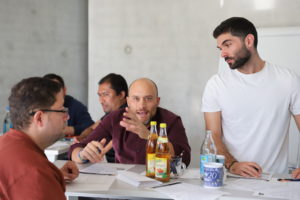
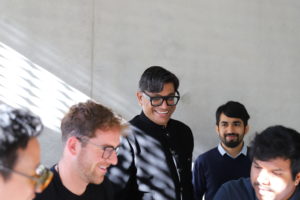
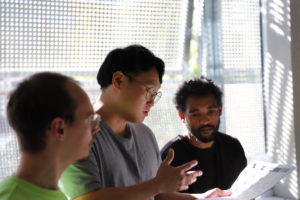
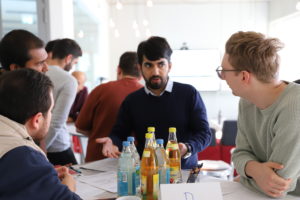
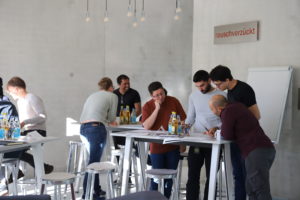
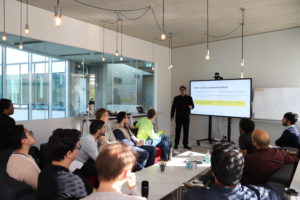
Our partner universities, KIT and Ulm University, already offer excellent central start-up support. At the Helmholtz Institute Ulm (HIU), we also take a direct approach at the source. To raise awareness of entrepreneurial thinking and to impart valuable know-how for future entrepreneurs, we held a Startup Discovery Workshop on October 9, 2026. It was led by Vivek Muralidharan, Studio Head of the venture studio 33 Blueprints Collective. Researchers from HIU and its partner institutions (Ulm University, KIT, DLR and ZSW) had the opportunity to spend a morning engaging intensively with business models, the fundamental principles of founding a company, founder archetypes and intellectual property. In interdisciplinary teams, they tested their own ideas and developed them further.
In this way, HIU considers market relevance alongside its basic research. From the very start, HIU researchers are encouraged to voice, test and pursue innovative ideas.
September 23rd 2026
On September 21 and 22, 2026, representatives of the Helmholtz Institute Ulm (HIU) and the Helmholtz Institute Münster (HI-MS) met for a management meeting. The aim of the meeting was to further coordinate and deepen the strategic and scientific collaboration between the two leading German battery research institutes within the Helmholtz Association.
Both institutes contribute relevant expertise to battery research: while HIU conducts research on next-generation battery and cell concepts, HI-MS places a particular focus on ion conductors and innovative electrolytes for energy storage.
As part of the meeting, participants also took part in a joint workshop organized and led by Prof. Arnulf Latz (DLR/HIU/Ulm University, head of the Electrochemical Multiphysics Modeling research group) and Prof. Andreas Heuer (HI-MS/University of Münster, head of the Theory research group). The workshop presentations addressed the question of how experiment, theory, and artificial intelligence can jointly contribute to a better understanding and further development of battery systems.
September 22nd 2026
We are delighted to welcome Laurence Hardwick as Professor (W3) for Electrochemistry at the Karlsruhe Institute of Technology (KIT), with research undertaken at the Helmholtz Institute Ulm (HIU), where he will be working on integrating automation platforms into electrochemical methods for accelerating cell optimisation through interface design and characterisation, particularly focusing on beyond-lithium battery technologies.
At the Helmholtz Institute Ulm, we are especially eager to learn about his research plans for his new position, which he took up only a few weeks ago: “My vision is to utilise automation methods to unpick the complex chemical nature of electrode surface films, which play such an important role in battery lifetime and safety,” he states.
Laurence Hardwick is coming to Ulm from Liverpool, where he led the Stephenson Institute for Renewable Energy as Director and worked as Professor of Electrochemistry at the University of Liverpool (UoL). Together with the researchers in his group, he was responsible for developing cutting-edge technologies such as advanced operando Raman and infrared spectroscopic techniques that can probe the functionality of electrode interfaces at the nanoscale. By understanding real-time interface processes in batteries, electrolysers and electrochemical capacitors, his work led to crucial steps in improving energy storage solutions to meet net zero targets, as documented in more than 120 publications (including Science, Nature group, J. Amer. Chem. Soc., and Angew. Chem. Int. Ed.).
We are looking forward to working with Prof. Hardwick and asked him why he decided that the Helmholtz Institute Ulm was the right place for him. “I am very excited, because the Helmholtz Institute Ulm is well renowned for its world-leading battery research,” he states. What drove him to the Karlsruhe Institute of Technology (KIT) was its exceptional expertise in materials and automation.
Having supervised over 20 PhD students and being intensely involved in international training networks, such as a dual PhD partnership scheme between UoL and National Tsing Hua University (NTHU), Taiwan, Hardwick is an exceptionally experienced scientist in his field.
In addition to his cutting-edge research and teaching experience, Laurence Hardwick was an editor of the International Society of Electrochemistry journal Electrochimica Acta (Elsevier) (2016–2024) and served as Conference Chair of the 2023 Royal Society of Chemistry Faraday Discussion conference on Non-Aqueous Metal-Air Batteries. Since September 1st, 2026, we are happy to have Laurence Hardwick as Professor of Electrochemistry (W3) at the Karlsruhe Institute of Technology (KIT), with research undertaken at the Helmholtz Institute Ulm (HIU). He will be situated at the CELEST Green Energy Lab Ulm.
September 14th, 2026
Three days. Almost 50 talks. More than 35 science posters. A 10-year anniversary and the honouring of our famous director Prof. Maximilian Fichtner, who celebrated his 65th birthday.
The recent MagBatt VI x ELLIPSE conference was not only a regional highlight in the calendar of battery-researchers, but an international one.
120 scientists and industry representatives from all over the world came together from September 9 to 11 in the city centre of Ulm, to discuss the future and next materials in post-lithium battery research.
From sodium, magnesium, potassium, calcium, zinc and aluminium batteries to electrolytes, interfaces, advanced characterization, modelling and charge-transfer processes, the scientific programme showcased the breadth and depth of material research for future energy storage.
For the first time, the International Symposium on Magnesium Batteries (MagBatt) and the ELLIPSE Conference on Electrolytes and Interfaces in Post-Lithium Batteries were combined under one roof – creating a unique platform to exchange ideas across different battery chemistries, materials and research approaches.
A huge thank you to Daniel Messling and Sarah Hameister, the organizing team from POLIS-cluster of excellence and to all the speakers, poster presenters, participants, partners and sponsors.
The biennial conference brings together researchers from different fields, to exchange perspectives and build new connections around a shared goal: advancing the next generation of sustainable energy-storage technologies.
© Photo by: Sarah Hameister
August 11th, 2026
Observations using atom probe tomography confirm the suspicion that in lithium batteries, lithium ions are lost to the copper current collector. This could limit their performance and lifespan. Researchers from the Helmholtz Institute Ulm / Karlsruhe Institute of Technology, led by Prof. Dr. Dominic Bresser, together with Ruhr University Bochum, led by Prof. Dr. Tong Li, have now used atom probe tomography to demonstrate that lithium ions become incorporated into the copper current collector. Every loss of lithium leads to a loss of capacity in lithium batteries and shortens their lifespan.
The work was funded by the European Union through the European Research Council Grants “INTERACT” and “RACER.”
The original publication from July 10, 2026 in Advanced Energy Materials:
https://advanced.onlinelibrary.wiley.com/doi/10.1002/aenm.71291
© Photo by: Tong Li
August 5th, 2026
A defining feature of the Helmholtz Institute Ulm is its broad spectrum of research topics, made possible by the close collaboration of different partner institutions working together on battery research projects.
To further strengthen and actively develop this close collaboration, the institute’s research group leaders meet every two years for a two-day Strategy Meeting in Ulm.
This year’s meeting took place on July 30 and 31, bringing together the heads of the individual research groups at the Helmholtz Institute Ulm to present their latest research findings, explore new research directions, and initiate new internal collaborations.
In an open and engaging atmosphere, participants held in-depth discussions on the future strategic direction of the HIU while fostering a positive and collaborative exchange.
July 21st, 2026
She is working on solutions to a key question for the future: Professor Birgit Esser, spokesperson for the POLiS Cluster of Excellence and HIU research group leader, has been honored with the 2026 Science Award of the City of Ulm for her scientific excellence. The award was presented on Schwörmontag by Ulm’s Lord Mayor Martin Ansbacher.
Electrochemical energy storage is a key technology for a successful energy transition and is therefore highly relevant to society. For her outstanding research on sustainable battery materials and her science communication, Birgit Esser, chemist and professor at Ulm University, has now received the City of Ulm’s Science Award, endowed with 7,500 euros. The award was presented by Lord Mayor Martin Ansbacher on Monday, July 20, 2026, at the Schwörfeier ceremony.
Birgit Esser combines expertise in synthetic chemistry with know-how in the field of organic battery electrode materials. With her holistic approach, Esser aims to close the gap between basic research and its application. “Professor Esser is one of the defining scientists in her field,” Mayor Martin Ansbacher quoted from the award certificate at the Weinhof. “Her research combines scientific originality with high societal relevance.”
“Our shared goal is to find forward-looking solutions that make sense both economically and ecologically,” says Esser. “What excites me about organic electrode materials is the whole journey: it starts with targeted molecular design, which lets us control how a material takes up or releases electrons and how it behaves electrochemically,” the scientist explains. “Building on that, we want to understand exactly how these materials work — for example, how ions, meaning electrically charged particles, move through the material. We are currently researching this very intensively. In the end, it comes down to the concrete application: using these materials in battery cells.”
As founding director of the CELEST Green Energy Lab, which aims to establish a reference laboratory for electrochemical energy storage beyond lithium, Esser’s influence extends far beyond her own discipline, bringing together science, early-career support, and institutional development. The certificate text further states that she stands for international visibility, scientific excellence, and strategic development work, and that her work strengthens Ulm as a center of science in a special way.
University President Professor Michael Weber praised the award winner: “We are proud that one of the most renowned scientists in this demanding field is conducting research at Ulm University. Birgit Esser has played a major part in ensuring that Ulm, as a center of German battery research, continues to break new ground and remains internationally at the top. We are delighted that she is being honored with the 2026 Science Award.”
More about Prof. Dr. Birgit Esser
Chemist Birgit Esser was appointed professor of Organic Chemistry in Ulm in 2022, coming from the University of Freiburg. She is the spokesperson for the Ulm site of POLiS, Germany’s only battery Cluster of Excellence, which entered its second funding period in 2025. She has headed the Institute of Organic Chemistry II and New Materials since 2024; in 2023, Esser secured a Consolidator Grant from the European Research Council (ERC) worth two million euros. Esser is also a member of the CELEST research platform and a research group leader at the Helmholtz Institute Ulm. She studied and earned her doctorate in Heidelberg and conducted research at the University of Bonn and at MIT in the USA.
About the City of Ulm’s Science Award
Every two years, the City of Ulm awards its Science Award, endowed with a total of 15,000 euros, for outstanding scientific achievements by individuals, research groups, or working groups. It traditionally goes half to researchers from Ulm University and half to those from Ulm University of Applied Sciences (Technische Hochschule Ulm). The Science Award is granted by Ulm’s City Council based on the preliminary decision of a jury that includes representatives from the University, the Technische Hochschule Ulm, and members of the City Council.
Further information:
Prof. Dr. Birgit Esser, Institute of Organic Chemistry II and New Materials, Email: birgit.esser(at)uni-ulm.de
Image source: Christine Liebhardt / Uni Ulm
July 6th, 2026
Investments in research are investments in our future — but only a concrete market perspective helps bring scientific findings into application more quickly. That is exactly why the NEULAND Idea Competition was launched at the Karlsruhe Institute of Technology (KIT). It recognizes projects that promise particular benefits for industrial application.
We are delighted that Unho Jung and Dominik Steinle from the Helmholtz Institute Ulm have received one of the coveted NEULAND Awards 2026 for their project PolySafeBatt.
PolySafeBatt is developing a new generation of polymer-based lithium metal batteries. At its core is a high-voltage semi-solid-state polymer battery platform that combines three key advantages:
The heart of the technology lies in polymer electrolytes which, unlike conventional liquid electrolytes, cannot leak — a decisive safety advantage. At the same time, they are compatible with high-energy cathode materials as well as with lithium metal anodes, which enable particularly high energy densities. This means the platform combines two properties that are often in conflict in battery research: maximum safety and maximum performance.
The more energy a battery stores, the higher the safety requirements typically become. Conventional lithium-ion cells with liquid electrolyte carry a certain risk when damaged or overloaded — for example, through leaking or flammable electrolytes. Semi-solid-state and polymer systems like PolySafeBatt’s address this directly: they structurally reduce this risk without having to sacrifice high energy density.
This makes the technology especially interesting for areas where batteries are used close to humans or under demanding operating conditions.
The platform is specifically designed for battery systems that are sensitive to both safety and energy density requirements. Key application areas include:
The robotics sector in particular is growing rapidly and places new demands on energy storage: compact design, high power density, and maximum operational safety must all be met simultaneously. With its flexible form-factor concept, the PolySafeBatt platform addresses exactly these requirements.
KIT’s NEULAND Idea Competition recognizes research projects that bring concrete industrial application potential beyond their academic relevance. The fact that PolySafeBatt was honored with one of the coveted 2026 awards underscores this material platform’s potential to make the leap from basic research to industrial application.
For the Helmholtz Institute Ulm, this award is further proof of how closely materials research and application perspective are integrated at our institute.
Would you like to find out more about what the PolySafeBatt high-voltage semi-solid-state polymer battery platform looks like and how it works in detail? Feel free to get in touch with us — we welcome your interest and the exchange with industry and research.
Congratulations to Unho Jung and Dominik Steinle on the NEULAND Award 2026!
Foto: Dominik Steinle and Unho Jung at Helmholtz Institute Ulm
———
Anna Sophia Boden
Press Officer
sophia.boden@kit.edu